Mastering the Timber: Essential Tips for Tree Felling Maintenance Services
Tree felling is an essential service that ensures the safety and health of our landscapes. Whether it’s due to an aging tree, storm damage, or encroachment on structures, knowing when and how to remove a tree can significantly impact the environment and the surrounding flora. However, tree felling is not just about cutting down trees. It requires skill and knowledge to do it efficiently and safely while minimizing damage to the remaining landscape.
For those providing tree felling maintenance services, mastering the techniques and best practices is crucial. This includes understanding the right tools, assessing tree health, and adhering to local regulations. With the right approach, tree felling can lead to a healthier ecosystem, promote new growth, and enhance property aesthetics. In this article, we will explore vital tips that can elevate your tree felling maintenance services and ensure you are well-equipped for every job.
Safety First: Essential Precautions
Prior to beginning any tree felling work, it is crucial to conduct a thorough risk assessment of the area. This includes identifying potential hazards such as power lines, surrounding structures, and unstable ground conditions. All personnel involved in the tree felling operation should be briefed on these hazards and understand the risks associated with the task. Ensuring that all workers wear appropriate personal protective equipment, including helmets, gloves, eye protection, and steel-toed boots, can significantly reduce injury risks.
Communication among team members is vital during tree felling operations. Establishing clear signals and commands before the job starts helps to coordinate actions and maintain safety. Designating a designated lookout or safety officer can also assist in monitoring the area for approaching hazards or unexpected changes during the felling process. This collective awareness fosters a safer working environment for everyone involved.
Proper equipment maintenance is another critical aspect of ensuring safety during tree felling. Before using any machinery, particularly chainsaws and chippers, operators should conduct thorough inspections to ensure all equipment is in good working order. Dull blades or faulty machinery can lead to accidents. Operators should also be trained and familiar with the equipment they are using to effectively handle any issues that may arise during the felling process.
Tools of the Trade: Must-Have Equipment
When it comes to tree felling, having the right equipment is crucial for safety and efficiency. Chainsaws are the primary tool for this task, available in various sizes and types to suit different tree sizes and conditions. A quality chainsaw should have a sharp chain, a reliable engine, and a comfortable grip to ensure control. For larger trees, professionals might opt for a heavier-duty chainsaw or even a felling saw for added power and precision.
In addition to chainsaws, safety gear is essential. Hard hats, eye protection, and hearing protection shield against potential hazards during the tree felling process. Chainsaw chaps and gloves prevent injuries from accidental slips or chainsaw kickback. Harnesses and ropes are necessary when working at heights, securing both the worker and the equipment for added safety. www.spez-ag.ch in high-quality safety gear is not just a precaution; it is a crucial part of the operation.
Finally, having the right accessories can enhance the efficiency and safety of tree felling operations. A felling wedge helps direct the fall of the tree, minimizing the risk of it falling in an unpredictable direction. Ropes can assist in pulling down branches safely or controlling a tree’s descent. Toolkits that include axes, hand saws, and pruning shears are also useful for clearing brush and making the work site manageable. Proper equipment not only facilitates a smoother workflow but also ensures that tree felling is performed safely and effectively.
Post-Felling Care: Maintenance Tips
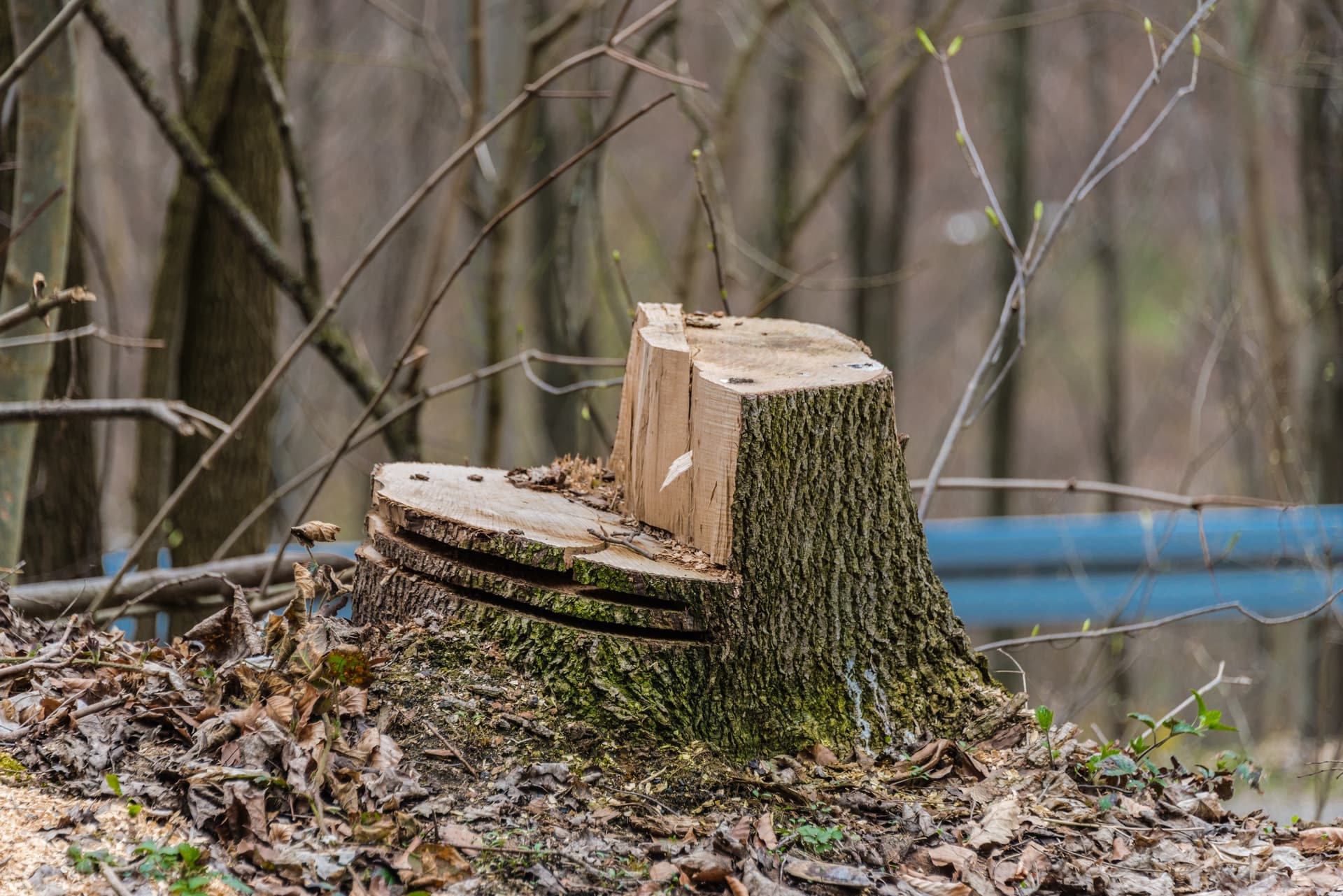
Once the tree felling process is complete, the focus should shift to ensuring the area remains safe and healthy for future growth. First, it is essential to remove any remaining debris and cut branches to prevent accidents. This includes cleaning up the stump and any larger pieces of wood that may pose a hazard. Clearing the area will not only improve aesthetics but also allow for better management of the surrounding vegetation.
Next, consider applying a protective treatment to the stump. This can help inhibit decay and deter pests that are attracted to the exposed wood. Using products specifically designed for tree stumps can prolong the life of the surrounding ecosystem and prevent damage to nearby plants. Additionally, it’s important to monitor the site over time for any signs of disease or pest infestations that could arise as the ecosystem adjusts after the tree removal.
Finally, plan for the rejuvenation of the landscape. Depending on your goals, you may wish to plant new trees or shrubs to fill in the space left by the felled tree. Ensure that any new plantings are suited to the local environment and consider the sunlight, water, and soil requirements. Regular watering and maintenance of these new plants will promote healthy growth and help restore the area to its former vitality.